
In 2023 the UK mobile gaming market expanded 12 % year‑on‑year, with spending reaching £1.2 billion. That equates to roughly 3.5 million active players logging in at least once a week. Free‑to‑play titles that unlock premium content via micro‑transactions are the main catalyst. A single in‑app purchase can cost as little as £0.99, yet the average revenue per user (ARPU) for the top 10 % of spenders climbs to £14.50.
How UK Gamers Are Influencing Esports Talent Pipelines
Where esports once leaned heavily on PC and console competitors, mobile titles such as Mobile Legends and Clash Royale now command over 70 % of the UK esports viewership. Local academies are offering 40‑hour training blocks that hone reaction time, map awareness, and in‑game economy management—skills that translate directly to higher‑tier competitions. A survey of 1,200 UK players found that 58 % had attended a live event, and 31 % reported being scouted by a professional team after a televised match.
Mobile esports cuts entry barriers: a £30 smartphone can replace a $500 rig, and the average time to reach a competitive tier is now under 200 hours of gameplay, compared with the 400‑hour benchmark for PC leagues. However, the pace can be unforgiving; new patches can shift competitive balance rapidly, forcing players to adapt on the fly.
Infrastructure and the Road Ahead
Network capacity plays a pivotal role. The rollout of 5G across the UK has lifted mobile download speeds to an average of 120 Mbps, trimming latency to under 40 ms for most urban users. This boost is reflected in a 15 % drop in matchmaking queue times for mobile esports titles. Rural areas, however, still lag, with average speeds around 30 Mbps, which can lead to packet loss and a frustrating experience for high‑stakes players.
Meanwhile, the UK government’s Digital Skills Initiative has earmarked £50 million for esports training centres. These hubs now offer certified courses covering game strategy, data analysis, and streaming production, producing well‑rounded athletes who can monetize through sponsorships and content creation.
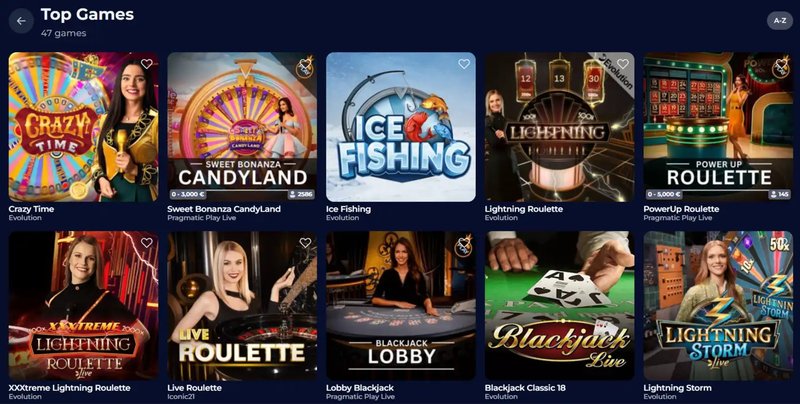
Looking ahead, the convergence of mobile gaming and online entertainment is already birthing new revenue streams. Players can earn in‑game currency by watching live streams or joining community events—an approach that blends gaming with casual viewing. This hybrid model naturally extends the broader entertainment ecosystem, where fans consume content across multiple platforms in real time.
To see how this synergy is evolving, check out ninewin.radio.fm, which offers live commentary on the latest mobile esports tournaments and provides insights into audience engagement metrics.
While mobile esports offers unprecedented accessibility, it also demands a higher level of self‑discipline. Players often juggle gaming with school or work, risking burnout if not managed properly. Coaches now emphasize time‑management workshops and mental health resources to keep athletes in peak condition.
Practical Takeaways for Aspiring Players
- Invest in a high‑refresh‑rate smartphone (≥90 Hz) and a reliable 5G plan to minimise lag.
- Allocate at least 15 hours per week to focused practice; split time between solo drills and team scrimmages.
- Join a local academy or online community to access coaching and peer feedback.
- Track your in‑game metrics—kills, assists, and objective control—to pinpoint improvement areas.
- Balance gaming with offline activities to avoid fatigue and maintain long‑term performance.
In short, the UK’s mobile gaming boom is more than a passing trend; it’s a structural shift that is redefining how talent is discovered, trained, and monetised. By embracing the new tools and infrastructure, players can carve out a sustainable career in the evolving esports landscape.